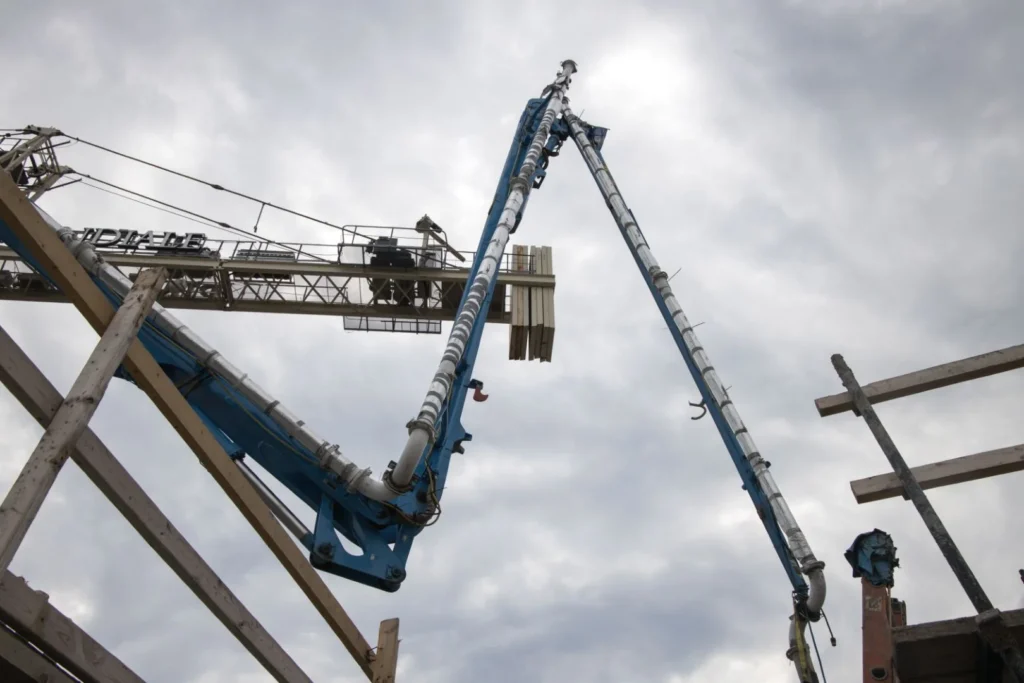
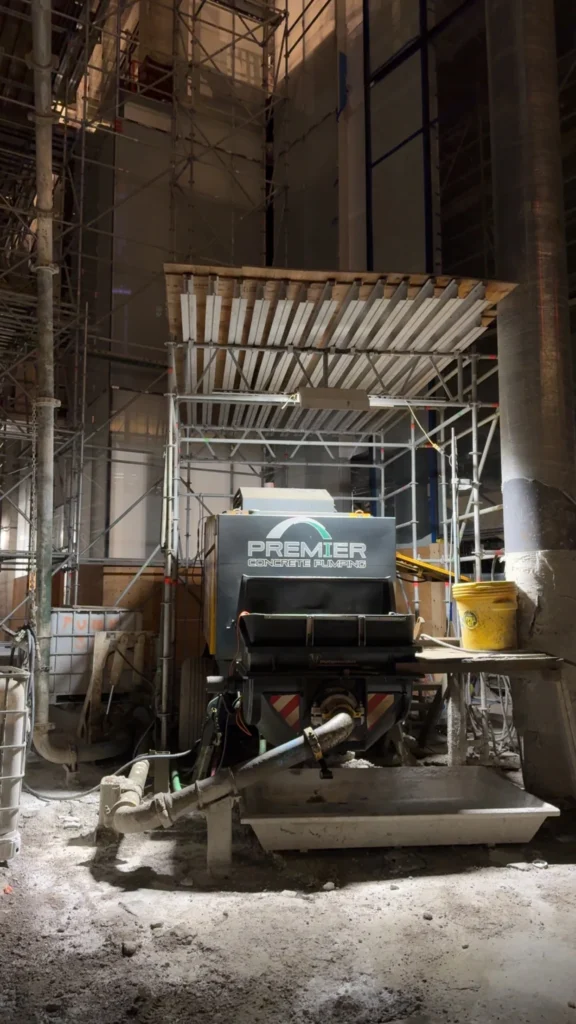
Proper preparation is key to a smooth and safe concrete pour. At Premier Concrete Pumping, we work closely with contractors to assess and prepare job sites for both boom and line pump operations. Whether you’re handling a residential driveway or a commercial slab, here’s what you need to know before we arrive.
1. We Always Start With a Site Assessment
Every concrete pumping project begins with a site visit or review. We assess:
Accessibility for the pump truck
Proximity to pour area
Overhead and underground obstructions
Ground conditions and stability
Whether a boom pump or line pump is more appropriate
We always start with a walkthrough — either in person or through photos/videos — to identify potential issues. These include access points, elevation changes, utility lines, and other hazards.
2. Remove Obstructions from the Pump Path
If there are any large obstructions between the truck and the pour area, they’ll need to be moved before we arrive.
Common obstructions we ask clients to remove:
Vehicles or heavy equipment
Tree branches that block the boom’s arm span (we may ask to trim them)
Fencing, sheds, or temporary structures
Debris piles, especially dirt mounds near the work area
Clear the work area of any debris, construction material, or equipment. If there are trees in the way, we may request that you trim back branches so the boom has room to move. Fences, sheds, or other barriers may need to be temporarily moved.
3. Ensure the Ground Is Stable and Flat
Boom pumps require a flat and stable surface to deploy their outriggers safely. If the terrain is too soft or uneven, the pump can’t operate. This is a safety issue — and one of the most common reasons a pour is postponed.
What we look for:
Compacted soil or gravel base
No steep grades or drop-offs around the pump area
Room for outriggers (typically 20′ x 20′ clearance)
For boom pumps, we need a flat, firm surface to deploy the outriggers. If the terrain is too soft or sloped, the pump won’t be able to operate safely. In such cases, we may recommend a line pump instead. If the ground is unstable (muddy, freshly dug, or soft), we may need to switch to a line pump, which can work in tighter spaces and doesn’t rely on outriggers.
4. Consider Line Pumps for Long or Tight Access
Line pumps are a great alternative when:
There’s no space for a boom truck
The pour is far from road access (line pumps reach up to 500 ft)
The terrain is too uneven for safe boom stabilization
If space is tight or access is limited, we’ll advise using one of our high-pressure line pumps — which can reach up to 500 feet and are easier to maneuver on complex job sites. For larger-scale pours or vertical applications, our boom pumps (including our 65m) offer speed and volume. However, they do require manual setup and more hose, so we’ll work with you to plan the best layout and ensure proper flow.
5. Plan Ahead for Concrete Delivery
Make sure your concrete delivery is timed properly:
If using a ready-mix truck, it should arrive once the pump is set up
Coordinate traffic and make sure there’s room for the mixer to turn and back up
Let your crew know when pumping will start so they can be ready with rakes, tools, and screeds
6. Confirm Utilities and Permits
Before we show up, check:
Overhead power lines – these are a hazard for boom arms
Underground utilities – for any digging or staking
Access permissions – especially in tight driveways or shared commercial lots
We’re happy to help advise during the pre-job planning phase.
7. Make Sure There’s a Washout Area
Concrete pumps and hoses need to be flushed after the job. Please prepare a safe, contained area where we can wash out the system. Avoid areas near:
Drains
Gardens
Waterways
Every job needs a place to clean out the pump and hoses after pouring. This should be a designated pit or lined area away from drainage systems, gardens, or public roads. However if it isn’t available, we can perform a washout off-site.
Final Thoughts: Work With Pros Who Know the Drill
At Premier Concrete Pumping, we don’t just show up and pump — we help you think through the entire job site layout for a clean, efficient pour.
Whether you’re using a 50m or 61m boom pump, or opting for a flexible line pump up to 500ft, we’ll guide you through what’s required before, during, and after the pour.
Need help assessing your site? Contact us today and our team will be happy to walk through your options.
FAQs About Site Prep for Concrete Pumping
1. Why is site preparation important before concrete pumping?
Proper site preparation ensures the concrete pour is safe, efficient, and successful. Without it, delays can occur due to obstructions, unsafe terrain, or limited access for equipment. For example, boom pumps require stable ground for their outriggers, and if the ground isn’t level or compacted, the equipment can’t be safely operated. Preparing ahead of time minimizes risks and maximizes productivity — allowing you to pour more concrete, more quickly, without unnecessary downtime or safety issues.
2. What kind of space does a boom pump need?
Boom pumps, especially larger ones like our 65m truck, require a flat, open area with enough clearance for outriggers to extend fully — typically 20 to 25 feet on each side. This space must be firm, level, and free of debris or obstructions. If the ground is soft, sloped, or unstable, the outriggers cannot safely stabilize the truck. We assess this during our initial walk-through, and if it’s not suitable, we may recommend using a line pump instead.
3. What happens if there are trees or fences in the way?
Obstructions like tree branches, fences, or sheds can block the boom arm’s reach and affect the pour path. If a tree limb is in the way, we may ask to have it trimmed or shaved back. Fences or small structures that block truck access might need to be temporarily removed. It’s best to walk the site a few days before the pour and identify anything that could get in the way of either the truck or the concrete flow — this will save time and money on the day of the job.
4. Can concrete pumps be used on soft or muddy ground?
Not always. Boom pumps cannot operate on soft, muddy, or freshly dug ground because the truck’s outriggers must rest on a stable surface to prevent tipping. In some cases, we may use steel plates or pads to distribute the weight, but this depends on the job. If conditions aren’t ideal for a boom, we often recommend a line pump, which is more compact and can navigate tougher terrain without requiring stabilization.
5. How far can a line pump reach?
Our line pumps can reach up to 500 feet, making them ideal for projects where access is limited, or where the pour site is far from the road. We use high-pressure hose systems to move concrete around obstacles, behind buildings, down slopes, or even inside basements. While they’re not as fast as boom pumps, line pumps offer unmatched flexibility on tight or complex job sites.
6. What’s the process for clearing large dirt piles or debris?
Dirt piles, rubble, or leftover materials near the pour area must be removed before the pump arrives. If left in place, these can obstruct hose lines or prevent safe equipment setup. We always recommend having the site cleaned and leveled at least one day before the pour, especially in new construction zones where excavation work is still underway. This also allows enough space for the concrete mixer to back in and feed the pump properly.
7. Do I need to prepare a washout area?
Yes — concrete pumps and hoses must be cleaned immediately after the pour, and we need a designated washout area on site. This area should be away from drains or gardens and ideally consist of a contained pit or lined area where we can safely flush out leftover concrete. Proper washout prep keeps your site clean, protects the environment, and avoids surprise cleanup costs.
8. Can Premier help assess my job site beforehand?
Absolutely. At Premier Concrete Pumping, we often visit or review photos of your site before the pour to help plan everything from pump selection to hose layout. We’ll tell you what needs to be moved, whether a 65m boom pump or a line pump makes more sense, and how to prep the area for safety and efficiency. This pre-planning saves you from last-minute surprises and ensures we’re fully aligned before we arrive.